Full sheitels
Complete coverage on their own, with natural-looking tops, realistic movement, and cap options chosen for all-day wear rather than occasional use.
Most commonA sheitel is worn every day, for years, and that changes what matters about it. How it looks on the first morning is the easy part. Whether it is still comfortable by the afternoon is what decides if you keep reaching for it. Flora has fitted sheitels, band falls, and hat falls from her Teaneck studio since 2005, in hand-selected European virgin hair, custom and ready to wear.
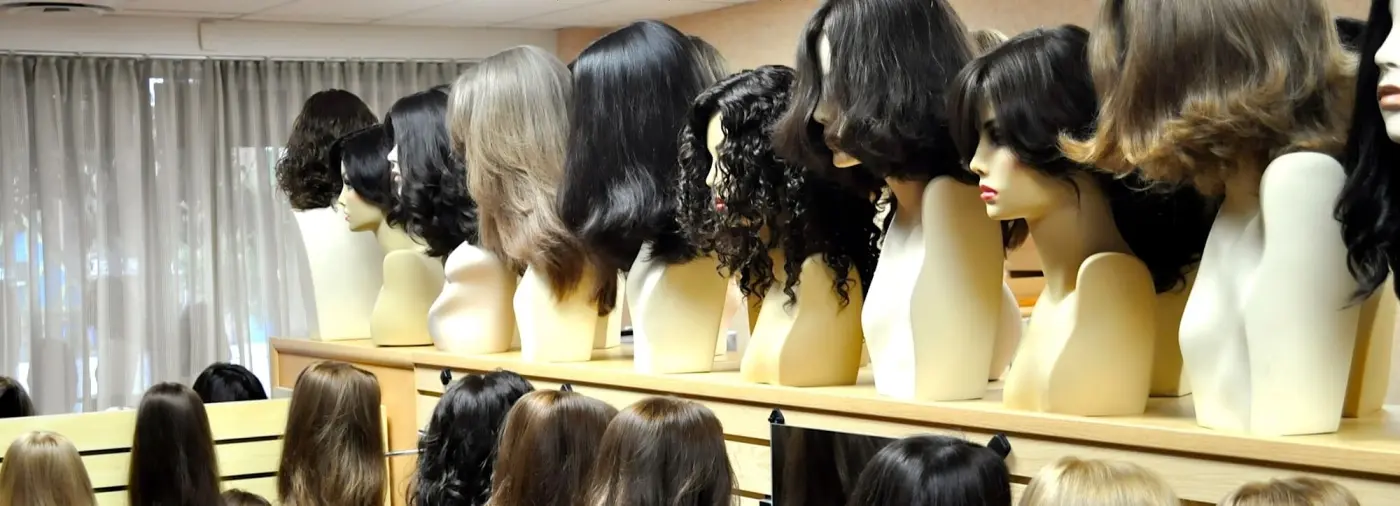
“The right sheitel is the one you stop thinking about.”
Most of what is written about wigs is written for someone who will wear one occasionally. A sheitel is the opposite. It goes on every morning and comes off every night, in summer, through a full day of work and children and cooking, and it has to keep doing that for years. So the questions that decide whether a piece is right are unglamorous ones: how the cap sits against your scalp by the afternoon, how much the hair sheds when you brush it, how quickly it comes back after a wash and set, how it behaves when it rains.
Those are answerable in a fitting and very hard to answer from a photograph. It is also why the cut matters more than the piece it started as. Two women can buy the same sheitel and one of them looks like she is wearing hair, because the cut was matched to her face, her height, and how she actually wears it rather than to how it looked on the block.
Flora will tell you when a piece is not right for you, including when the honest answer is that a lighter band fall would serve you better than the full sheitel you came in for. Questions of halacha belong with your rav; what happens in the studio is the fitting, the cut, and the hair.
The showroom carries full sheitels, falls, and specialty pieces in European virgin human hair. Which one suits you depends on how you cover, how you wear it day to day, and what you find comfortable over a long afternoon.
Complete coverage on their own, with natural-looking tops, realistic movement, and cap options chosen for all-day wear rather than occasional use.
Most commonA part that can go more than one way and a base that reads as scalp where the hair separates. People notice this before anything else, so it is worth looking at in person.
Most requested detailWorn with a headband so a strip of your own hairline stays visible at the front while the piece supplies length and fullness behind it. Lighter than a full sheitel.
Everyday wearBuilt to sit under a hat or scarf, with the volume placed where it will show and nothing bulky where the hat has to sit.
Under a hat or scarfA signature design that gives the look of a full sheitel with a lighter, cooler feel. Worth trying on if you find full pieces heavy.
Signature designPurpose-built styles for a particular look, including ponytail designs and pieces made to unusual coverage needs.
Style-specific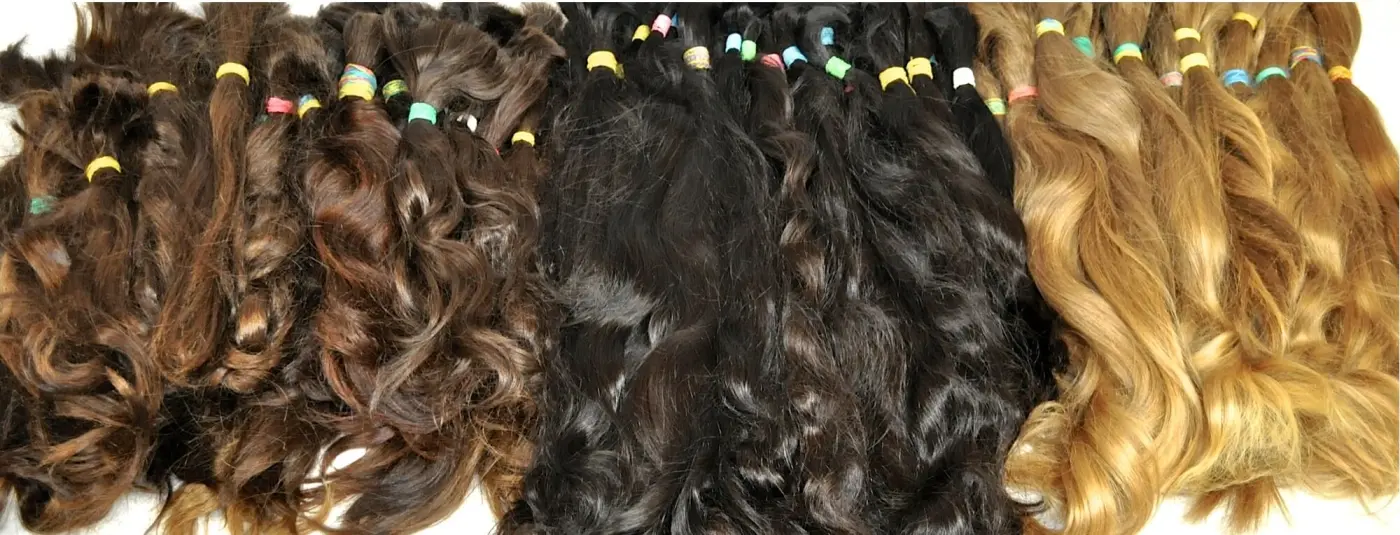
The hair, the cap and the cut are three separate decisions, and you only ever see the three of them together. Beautiful hair on an uncomfortable cap is still an uncomfortable sheitel, and a bad cut will undo both of them.
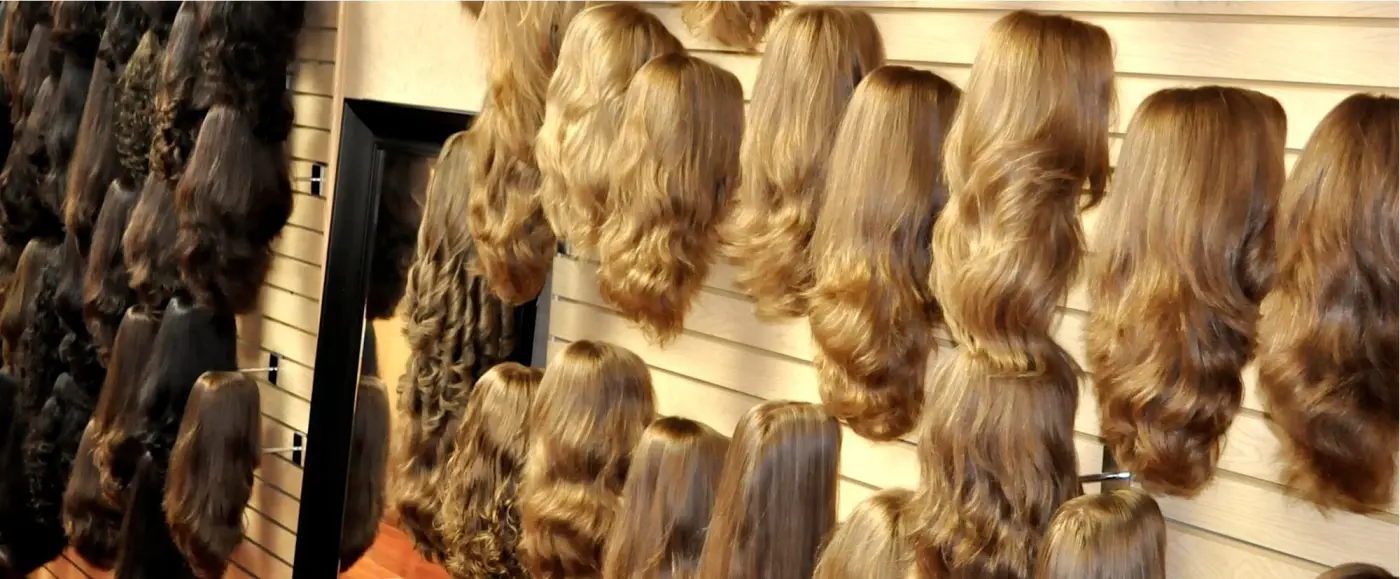
How you cover, how long a day is, whether you want to think about it once a morning or not at all.
Cap constructions feel more different than they look. Most clients change their mind at this stage, which is exactly what the appointment is for.
The piece is fitted to your head and cut to your face and height. More than anything else, the cut is what makes it look like hair.
How to put it on, how to keep it, and when to bring it back for a wash and set.
A typical consultation runs fifteen to thirty minutes, longer for a first sheitel or a custom order. Call (201) 833-4060 and you can often be seen the same week.
Come in well before the wedding rather than the week of it. A custom order takes six to eight weeks, the studio is busiest in the run-up to weddings and Yom Tov, and a first sheitel is the one purchase where trying several genuinely changes what you end up with. Most kallahs have never worn hair that is not their own and have no reference yet for what still feels comfortable eight hours in.
Book a Kallah ConsultationWash and set appointments fill first and fill early. If you want your sheitel fresh for Yom Tov, book it well ahead rather than the week before.
Hair loss from treatment, alopecia, or thyroid conditions may qualify for insurance reimbursement when a physician prescribes the piece and it is documented as a cranial prosthesis.
Virtual consultations and worldwide shipping are available using photographs, measurements, and a hair sample where possible.
For anything specific to your hair or your date, call (201) 833-4060 or reserve a private fitting.
Sheitel is the Yiddish word for the wig many married Orthodox Jewish women wear, and you will also see it spelled shaitel or sheital. It describes the same piece a wig maker would call a full wig. What usually differs is how it gets chosen. A sheitel is bought to wear every day for years, so how the cap sits and how well the piece comes back after a wash and set matter far more than they would for a wig worn occasionally.
Design by Flora sources hand-selected virgin human hair from Eastern Europe. Virgin means it has not been dyed, bleached, permed, straightened, or chemically processed, which is why it takes color naturally and keeps its own movement. Clients ask about origin more often here than anywhere else in the business, and Flora will tell you plainly where the hair in any particular piece came from. Questions about what your own practice requires belong with your rav.
A custom order generally takes six to eight weeks. The Teaneck showroom also carries a broad in-stock collection, and many clients are fitted, cut, and styled in a single visit. If you are working toward a wedding or a Yom Tov, count backward from the date and add margin, because the weeks before both are the busiest in the studio.
Start earlier than feels necessary, and come in before the wedding rather than the week of it. A first sheitel is the one purchase where trying several pieces genuinely changes the outcome, since most kallahs have never worn hair that is not their own and have no reference for what feels comfortable after eight hours. Flora will show you the difference between cap constructions, talk through length and style for how you actually plan to wear it, and be honest about which pieces suit your face.
A full sheitel covers the whole scalp on its own. A band fall is worn with a headband and a hat fall is worn with a hat, so a strip of your own hairline stays visible at the front while the piece supplies the length and fullness behind it. Falls are lighter than a full sheitel and many women keep one for everyday wear alongside a full piece for Shabbos and Yom Tov.
That is what a multidirectional or skin top is for. The hair is worked so it can be parted in more than one direction and the base reads as scalp at the part rather than as a fixed line. It is the single most common request from sheitel wearers and it is worth seeing in person under real light, because it photographs very differently from how it looks on the head.
Yes. Wash and set, cutting, styling, and color are available whether or not the piece came from Design by Flora. Book ahead of Yom Tov; those weeks fill first and they fill early.
One, to start. Many women eventually keep two, an everyday piece and one kept nicer for Shabbos and Yom Tov, because rotating them spreads the wear and means one is always fresh while the other is being washed and set. That is a decision to make after you have worn a sheitel for a while, not on the first visit.
Yes. Virtual consultations and worldwide shipping are available using photographs, measurements, and a hair sample where possible. An in-person fitting is still better when it is realistic, particularly for a first sheitel, because the cut is what makes a piece sit right.
Fittings are private and unhurried, and there is no obligation to buy. Clients come in from across Bergen County and the wider area, including Monsey, Passaic, Lakewood, and Brooklyn. Bring a photograph of how you like to wear your hair if you have one.